Summer 2026 has been one of the most remarkable seasons in memory. Two heatwaves, an almost rainless July, an extended hosepipe ban, and daily images of wildfires sweeping across Europe. Closer to home, both Slievenamon and the Comeragh Mountains burned, a sobering reminder that climate change is no longer a distant headline. It has arrived on our own doorstep.
And yet, despite the extremes, this has been the finest gardening summer I’ve ever had.
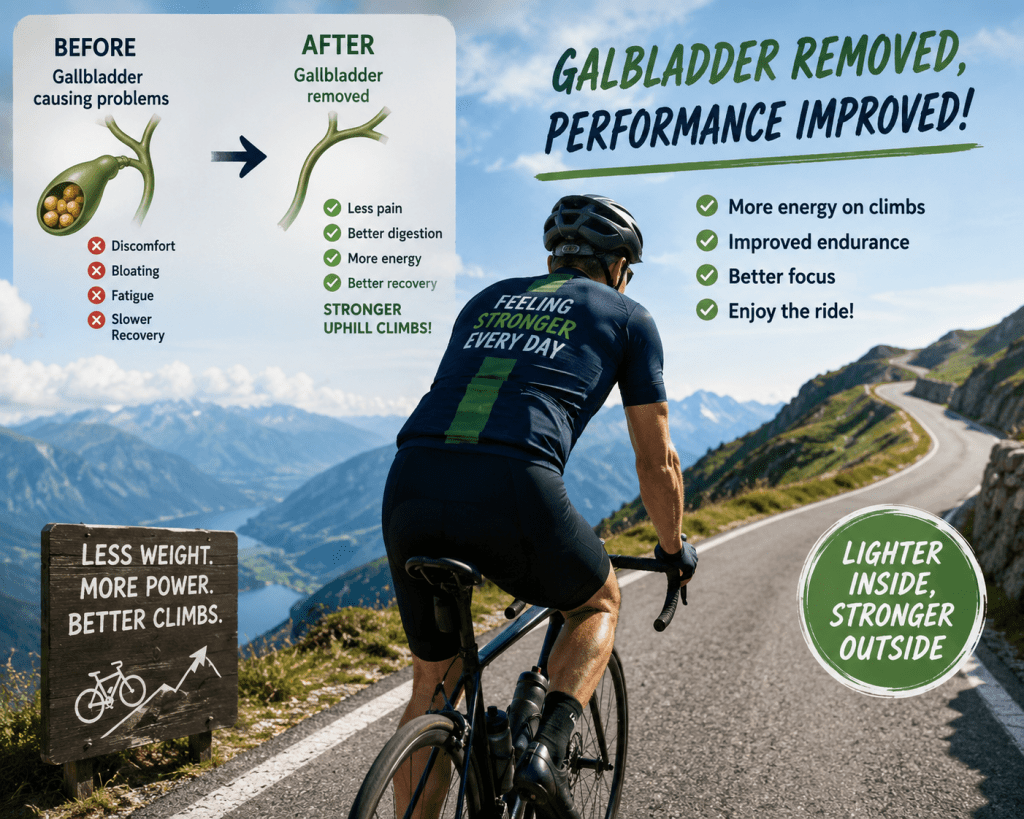
Gallbladder surgery at the end of July brought cycling, running and swimming to an abrupt halt. Six weeks of recovery sounded like a prison sentence at first. Instead, it turned into an unexpected gift. With no long rides to disappear on and no Parkrun to chase, I found myself with something gardeners rarely complain about—time.
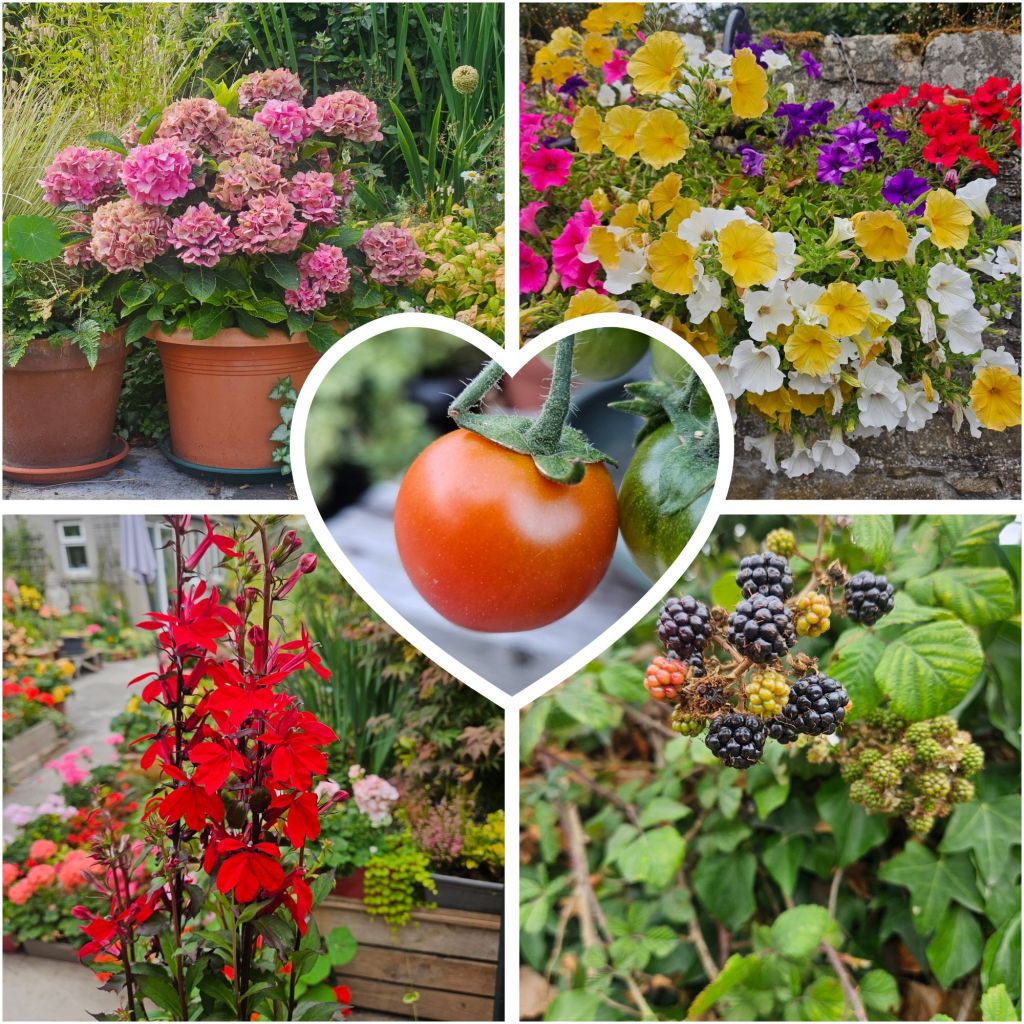
In previous years, the gardening season seemed to end on the last day of June. After that, it was mostly watering, deadheading and sitting in a chair admiring the results. This summer has been different. I’ve kept tinkering, planting, moving pots, feeding containers and generally interfering in the lives of perfectly happy plants. Thankfully, they seem to have forgiven me.
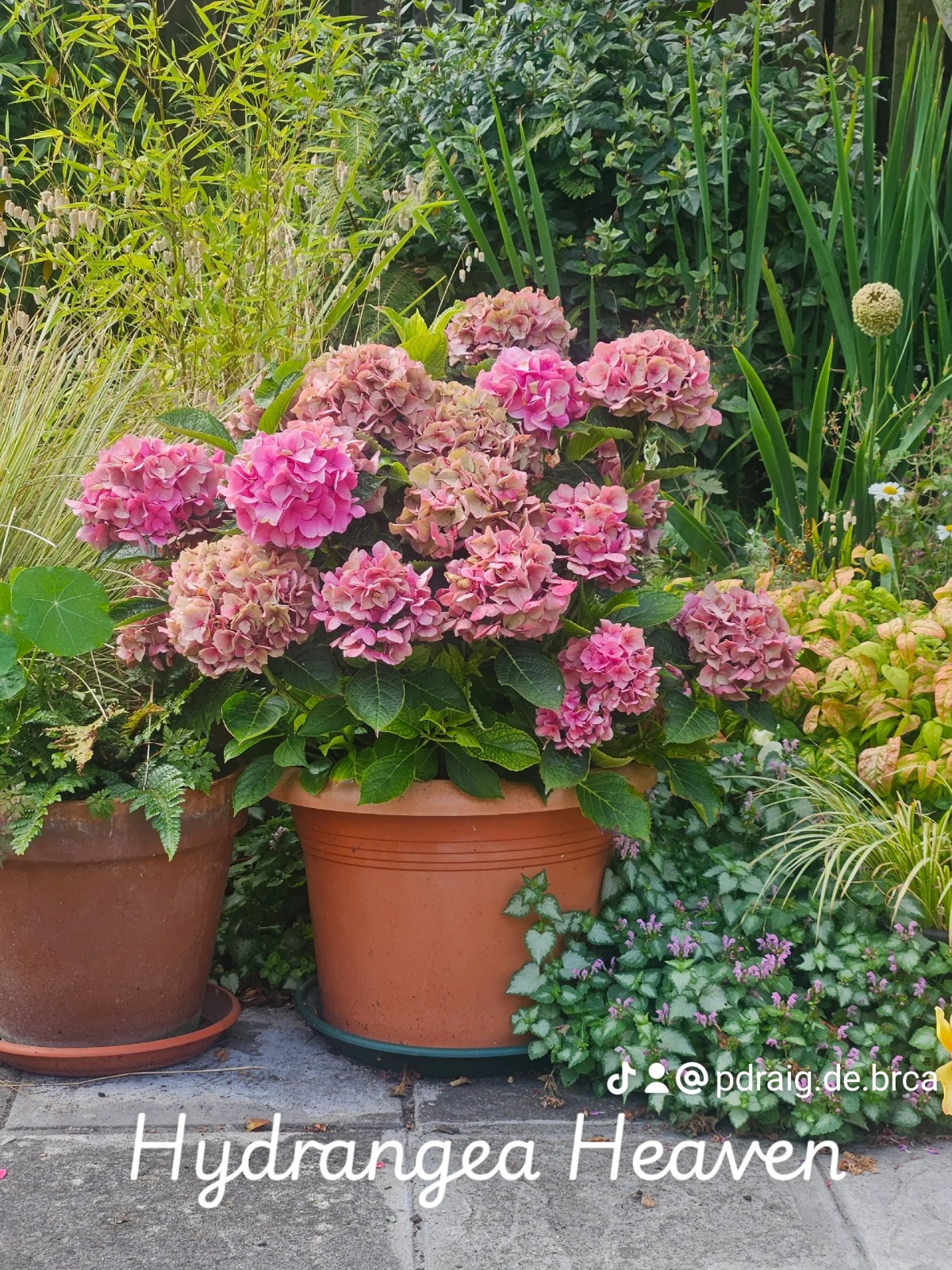
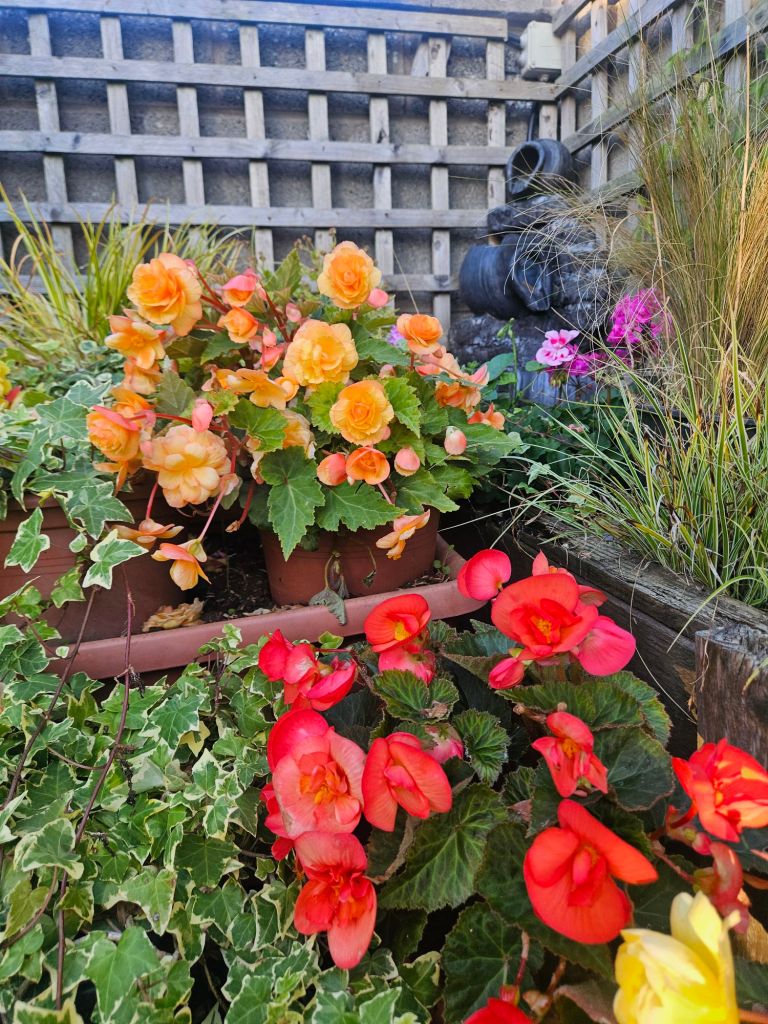
One lesson has stood out. In the past, there were simply too many summer annuals competing for attention. It was a colourful jumble rather than a composition. This year I simplified everything, focusing mainly on begonias and geraniums. The result has been a garden with more harmony, stronger colour and a display that has carried right through the season. Sometimes, the best gardening decision is deciding what not to grow.
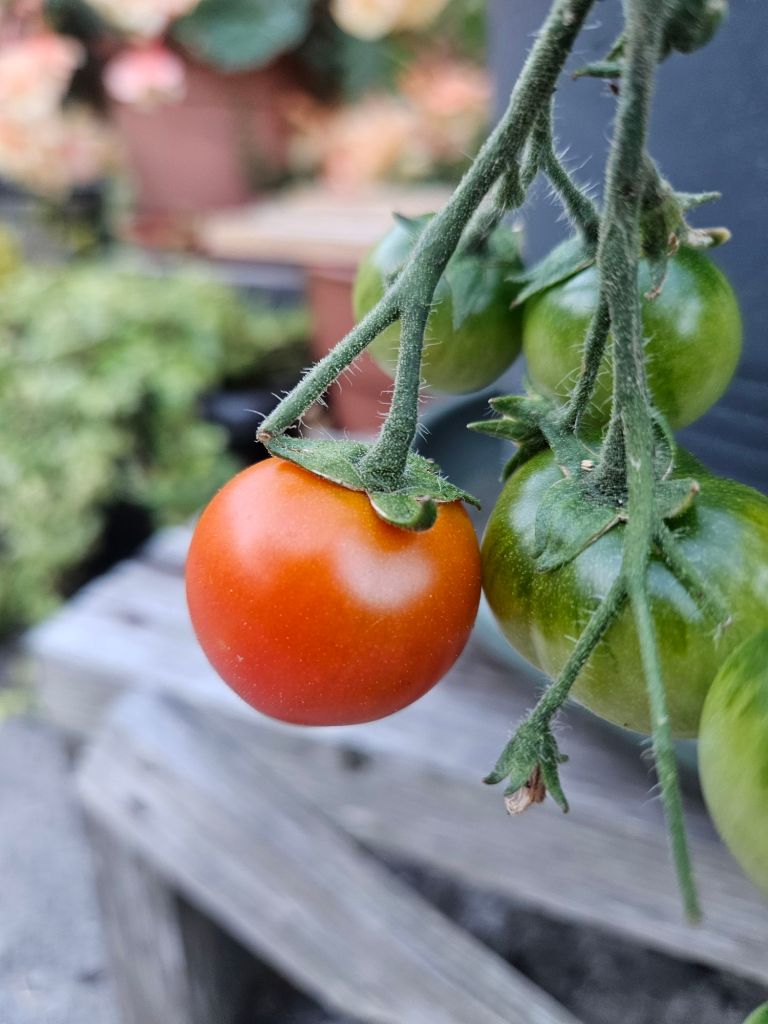
The vegetable patch has been modest but generous. Onions, tomatoes and rhubarb all produced well. The tomatoes have already become a batch of rich homemade relish, while a gift of fresh cucumbers is patiently waiting to become pickle next week. There is something deeply satisfying about walking a few steps from the garden to the kitchen and then filling the pantry with jars that began as tiny seeds only a few months ago.
The list of completed jobs has been surprisingly long. The shed has finally been tamed, daffodils have been lifted and repotted, and the patio has never looked better. Begonias, geraniums, gaura and sedum have turned it into a riot of colour. Even the weeds seem to have looked around and decided they couldn’t compete.
Next on the agenda are two large timber planter boxes. The first will be built this week, the second in September. They’ll eventually become home to twelve lavender plants beside Marion’s favourite sitting step. She loves brushing her hands through lavender and carrying the fragrance with her afterwards. It’s a small project, but one I’ve been thinking about since last year.
The only slight complication is that fresh timber and I don’t get along terribly well. I’m allergic to it, so the building process will involve gloves, long sleeves and enough protective gear to make it look as though I’m handling hazardous chemicals rather than a few innocent planks of wood.

It has been a summer of striking contrasts: beauty and abundance alongside drought and fire; flourishing borders beside parched fields; recovery after surgery mixed with the frustration of staying off the bike and out of running shoes. Looking back, though, perhaps the enforced slowdown was exactly what both the garden and the gardener needed.
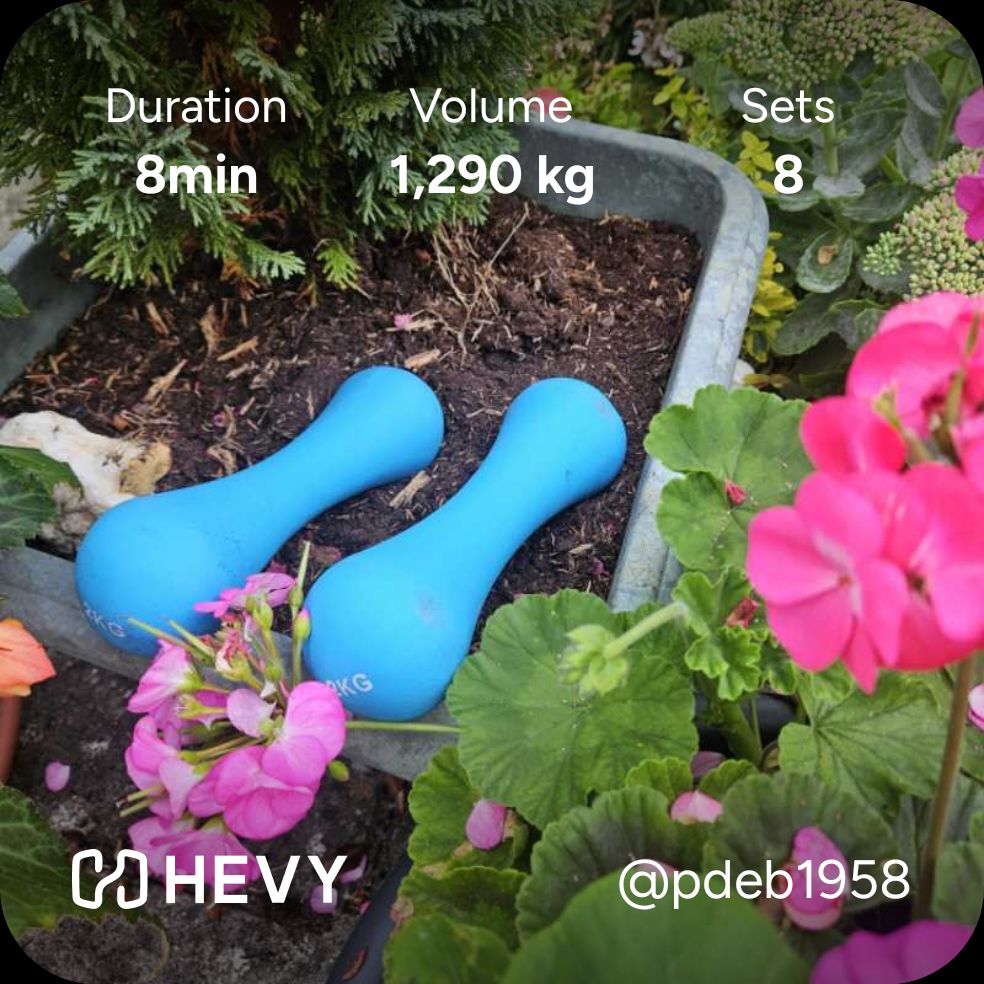
A season of fewer miles, more flowers, more relish, and a garden that has never looked better. Sometimes life has a funny way of swapping one kind of growth for another.
Over on my other blog, I’ve outlined some fun amid the trauma of gallbladder removal surgery. Here’s the way to get there! Truly, there’s no such thing as minor surgery.
Pádraig